- carbon report
Greenhouse Gas (GHG) Protocol: EU guide for business reporting
Discover what the Greenhouse Gas Protocol is, how it standardises carbon accounting, and why it’s essential for measuring and reporting GHG emissions
Everything you need to know to build a climate strategy.
Discover what the Greenhouse Gas Protocol is, how it standardises carbon accounting, and why it’s essential for measuring and reporting GHG emissions
Learn how to comply with ESRS. This guide explains reporting obligations for companies wanting to comply with the CSRD.

Learn about the 15 scope 3 categories, how they impact your GHG, and how to address them in your carbon footprint assessment.
This article explores what Scope 3 emissions are, why they matter, and how you can measure, report, and reduce them. You’ll learn about reporting regulations, calculation methods, best practices, and tools like carbon management software that can support your efforts.

Artificial Intelligence (AI) is everywhere right now. From your business tools to even WhatsApp, AI seems to have become a must-have rather than an extra feature. At Tapio, we’re building carbon management software to help companies measure and reduce their carbon footprint, so we want to use AI responsibly. In this article, we will explain how.

As the urgency to address climate change grows, companies worldwide are searching for effective ways to reduce their environmental impact and accelerate the transition to a low-carbon future. One valuable tool in this effort is avoided emissions.
To understand how much an activity emits, you must multiply an activity data with an emission factor. Emission factors (EF) can be physical, referring to physical measurement units (e.g. litres, kilos, kilowatts, etc.), or monetary.
What are emission factors? How do I pick the right one? Where can I get emission factor databases? Read the answers in this article.
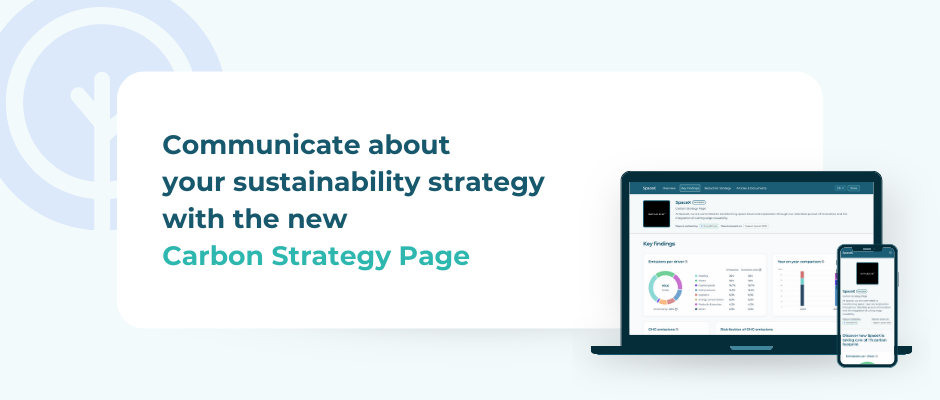
Communicating about your carbon report and carbon strategy can be challenging. We’ve created the Carbon Strategy Page (CSP) to facilitate companies’ communication on their carbon strategy quickly and transparently. Discover more about it in this article.

Homeworking is becoming increasingly popular for its environmental benefits, but its impact is more complex than we might think. Discover homeworking's rebound effects in this article.
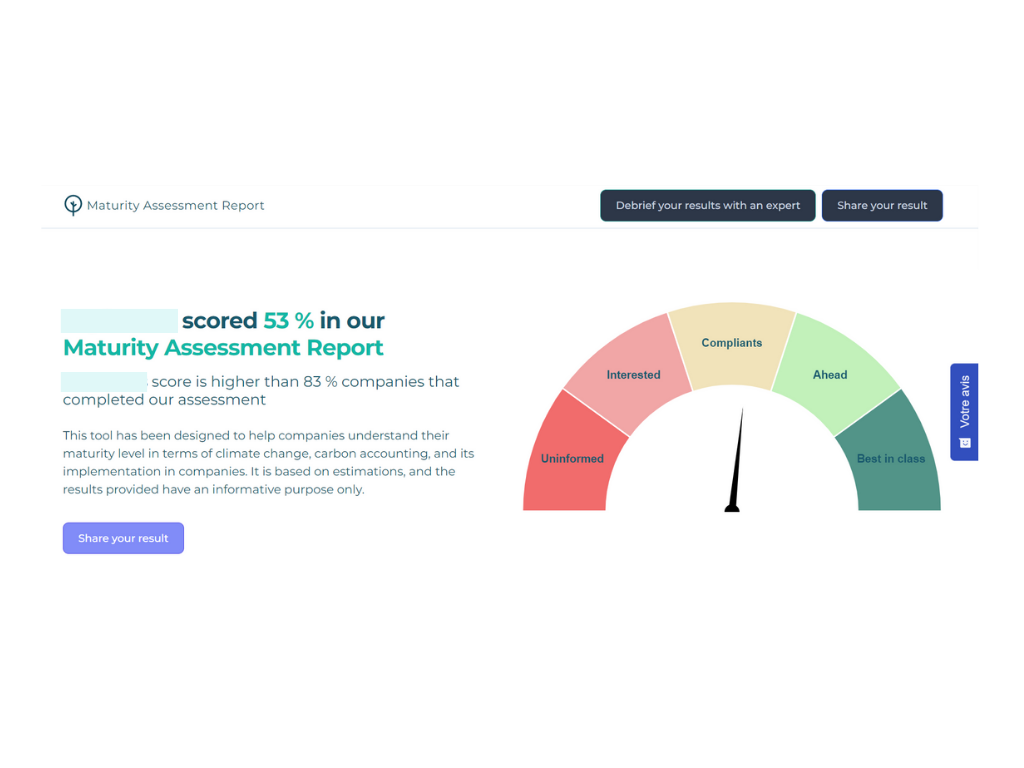
Many companies want to be more sustainable but don't know where to start. Others have already taken action but don't know how to go further. And still, others want to include their value chain in their climate strategy but don't know how to tackle this challenge. In this article, we'll present the reasons behind these difficulties and how a new tool by Tapio, the Maturity Assessment, can help you overcome these challenges and start taking action.
In this article we will present all the criteria that are used to understand which companies have to report under the CSRD.

If you're reading this article, you might be considering the idea of conducting a carbon report for your company. However, you might still be uncertain about whether it's something you truly want or need to do, as well as how to go about it and what exactly it entails. In this comprehensive guide, we’ll tackle all of these questions (and more).

Calculation and monitoring of carbon emissions are becoming increasingly widespread within companies. There are several methods for realizing a rigorous carbon balance to standardize the calculation of carbon footprints.
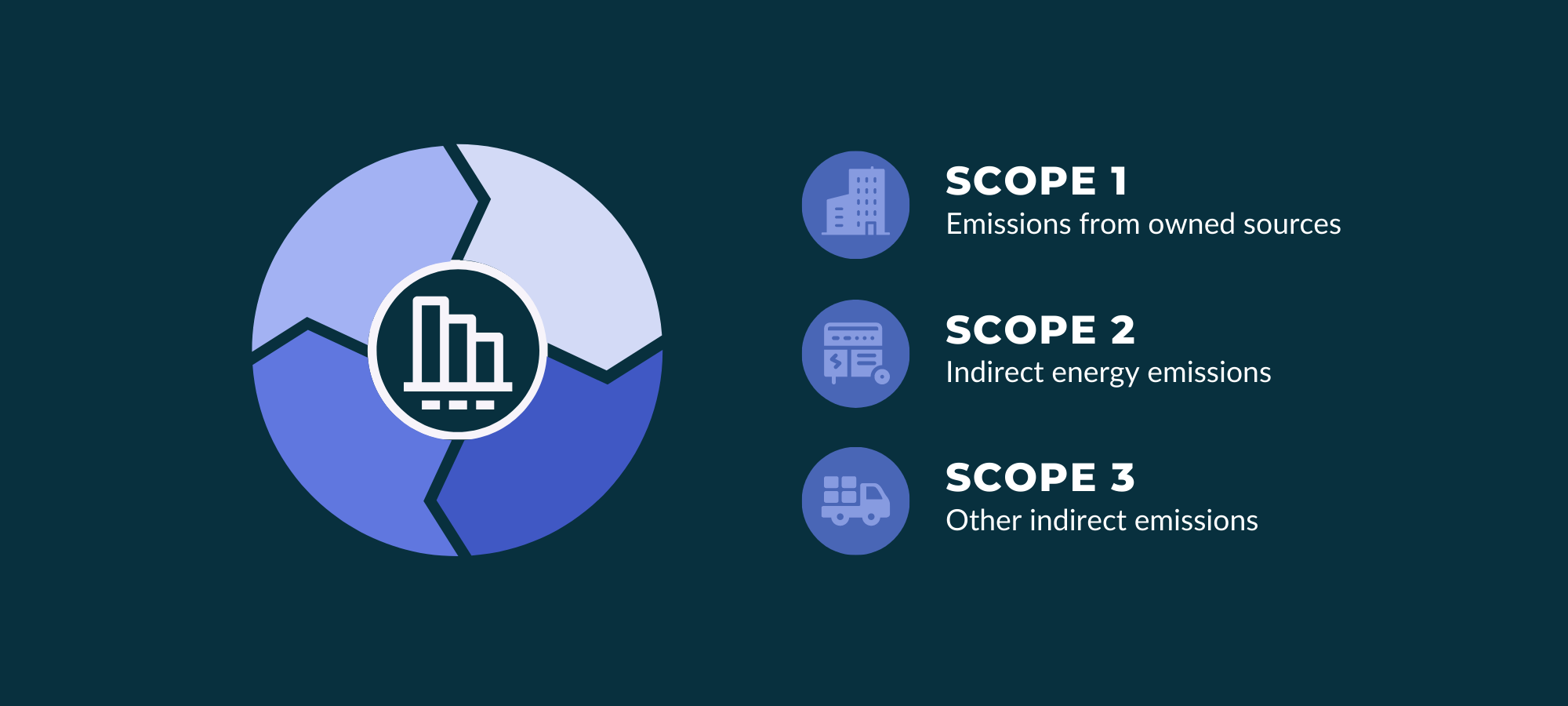
More than ever, customers are now demanding that companies report their GHG emissions. Protocol standards simplify the understanding of total emissions, assigning responsibility to the right company by emission source, and identifying reduction opportunities.

Are you still confused about what a carbon report can bring to your company? Do you want to be aligned with the international climate ambitions and sustainability legislations? This article will help you understand why you should start a low-carbon journey.

More and more people are demanding businesses to start taking responsibility for their environmental impact. One way to do that is to calculate the emissions of companies and create a carbon reduction plan to reduce them. Although some argue that carbon accounting isn’t an effective tool, we believe that it can bring many benefits to businesses looking to reduce their impact on the environment.